MVP development

Build and validate your business idea quickly withprofessional MVP development services

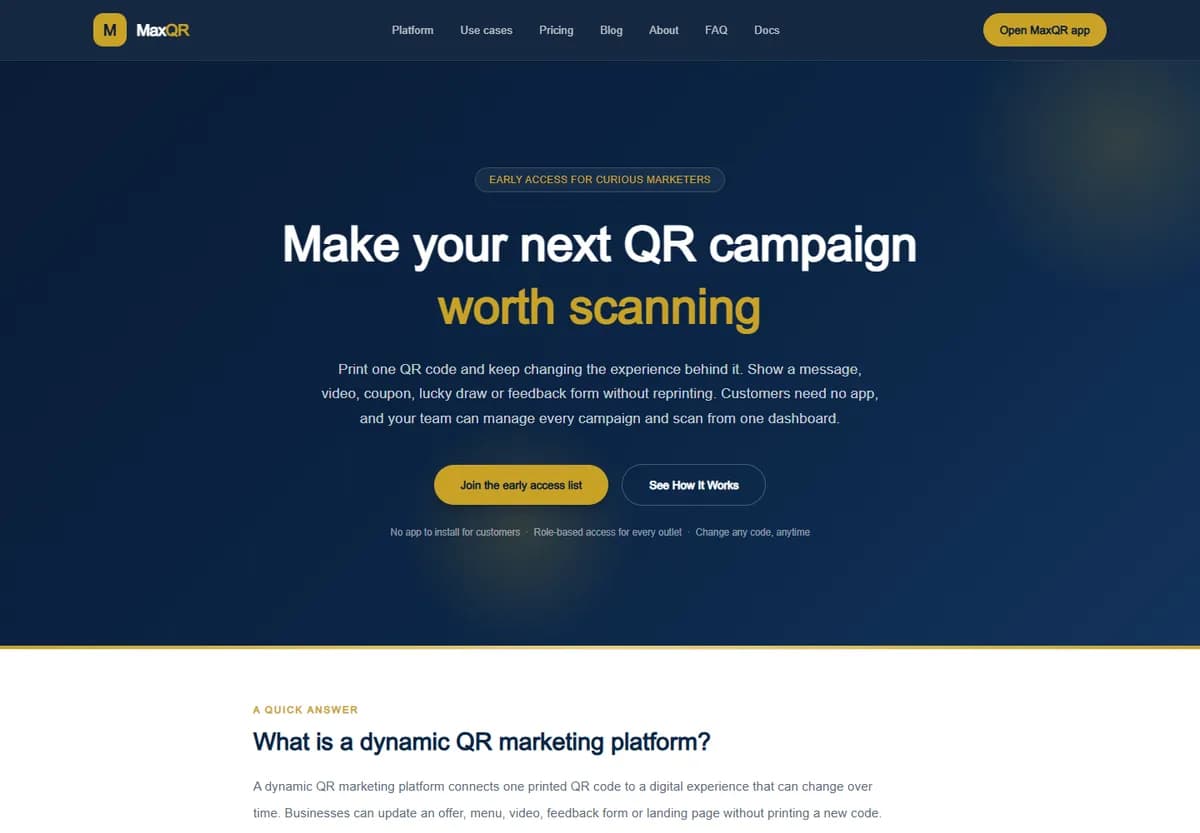
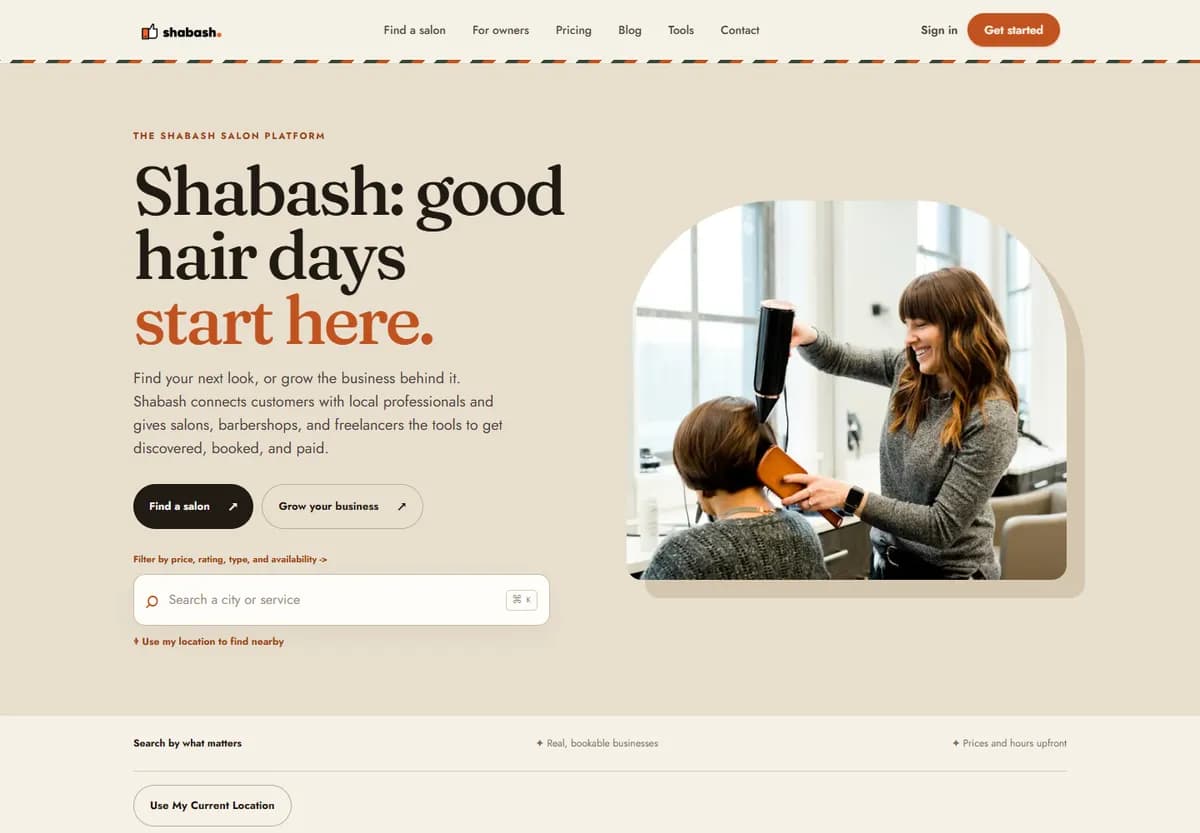
You have an idea and a limited budget, and you need to find out whether it works before funding a full product. We have taken products to launch in months by being strict about scope: a wearable QR product reached both app stores in three months, and the MaxQR marketing platform took about two to three. Shabash is in early access now. A first version should answer a business question without costing a full product.

What moved these products quickly

In each case the speed came from a decision about scope or route, not from working faster.

  • Cut the build cost, keep the promise

    The wearable QR product needed an owner app on both stores. Wrapping a web app as native builds, instead of writing two native apps, is what made three months realistic, and scanning needed no app at all.

  • Build the idea that sells, not every feature

    MaxQR rests on one idea: a printed code whose campaign can change without reprinting. Built on Laravel 13 and Next.js for a client, it includes 14 campaign types, tracked coupon redemption and multi-outlet roles.

  • Release early, and keep building

    Shabash is in a demo and early-access phase while we build it, and that includes the unglamorous parts of a live product, such as verified bookers and rate limiting to protect against booking abuse.

What goes into a first version

Our usual starting point, which we then adjust for your idea.

  • What we usually keep

    The single flow that proves the idea, secure login, payments if charging is the thing being tested, and enough analytics to read the result.

  • What we usually postpone

    Multiple user roles, native apps where a web or wrapped app will do, custom reports that a spreadsheet export can replace, and automation of tasks you can still do by hand.

  • What we do not cut

    Backups, access control, and a clean data model. Changing screens later is cheap; repairing bad data or a security failure in front of your first customers is not.

How an MVP project runs

Four steps, with most of the money-saving in the second.

  1. Name the question

    What must be true for this business to work, and what would show it? The answer sets the scope, and we write it down before estimating anything.

  2. Cut to a fixed scope

    We go through the feature list with you and move what we can to later. You get a fixed scope and quote, or an hourly plan if the idea is still moving.

  3. Build with weekly demos on most projects

    You see what works as it takes shape and can change your mind while that is still inexpensive. Handover documentation builds up as we go.

  4. Launch and read the result

    We set up measurement for launch. What happens next depends on what you learn: keep building with us, take the code in-house, or stop spending.

After the first version

An MVP that works turns into a different kind of engagement.

If the idea holds up, the work moves to software product engineering with a longer roadmap, or to developers on your team through our hiring model. We are an engineering team in India with 3–5 hours of overlap with the UK and Europe; US calls by appointment. The team stays available for founders who want to keep the same people.

First versions we have built

Most of our work is delivered under NDA, so many projects cannot be named.

Questions about MVPs

Timing and cost usually come first.

How long does an MVP take?
Our two clearest examples took about two to three months and three months. That does not make it a promise, because the length depends on scope. A full SaaS such as our garage-booking product, with API, web and mobile apps, took about a year.
What will it cost?
We quote after seeing the scope, so we do not publish a package price. Hourly work is from $20/h in USD, invoiced in USD, GBP, EUR or INR, which gives you a basis for rough planning.
Which technology do you use for an MVP?
Most often Laravel with Next.js, as on MaxQR. Mobile is added only if the idea needs it. We pick for how quickly it can be built and how easily it can be kept, not for novelty.

Tell us what you need to find out

Describe the idea, who would pay for it and what you already have. We will send back what we would build first and what we would leave out.

We reply within one business day (IST).